
What Is a Toxic Sauna? The Hidden Risks to Know Before You Buy
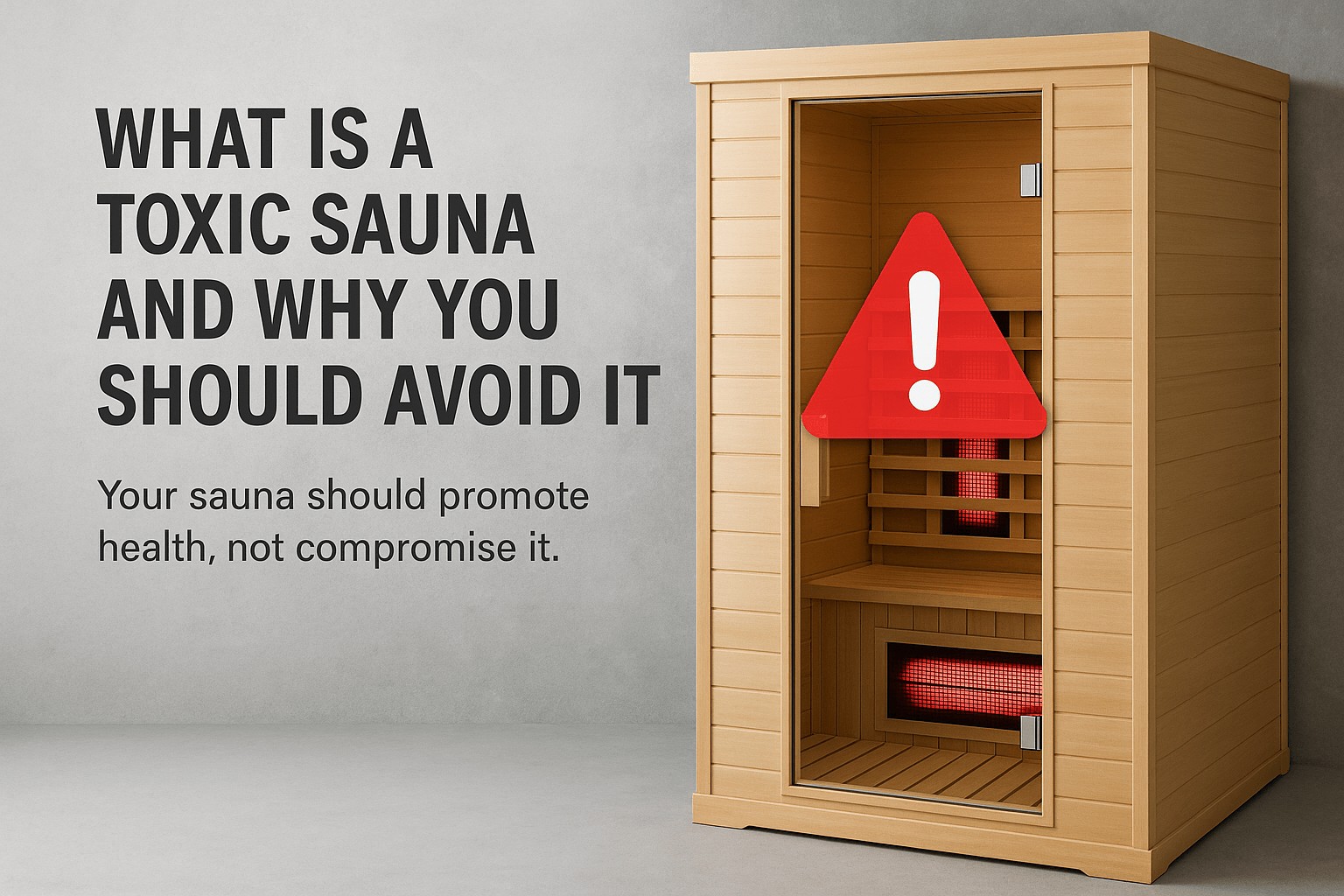
Home saunas have become increasingly popular, and homeowners have more options than ever before. From traditional saunas to infrared models, you’ll find a wide range of designs, features and price points.
But not all saunas are created equal.
When you’re purchasing something designed to operate at high temperatures inside your home, there’s more to consider than appearance and price. The heaters, electrical components, wood, adhesives, finishes, testing standards and overall construction can all matter.
The potential concerns can also differ depending on the type of sauna you’re considering.
With an infrared sauna, electrical fields and electromagnetic radiation associated with the heaters and electrical components are important considerations. The materials used in the sauna matter, too.
With a traditional sauna, materials and potential VOCs become an even greater consideration because traditional saunas operate at higher temperatures.
So, what exactly is a “toxic sauna,” and what should you know before choosing one for your home?
What Is a Toxic Sauna?
“Toxic sauna” isn’t an official product classification. It’s a term often used when discussing concerns about the materials, electrical components or construction of a sauna.
For infrared saunas, one of the primary considerations is the electrical system and heaters, including the electrical fields and electromagnetic radiation they produce.
For both infrared and traditional saunas, the materials used to build the sauna are important. This includes the wood, adhesives, finishes and sealants that may be exposed to heat.
With traditional saunas, these material considerations become even more important because of the higher operating temperatures.
Understanding these differences can help you ask better questions and make a more informed decision before you buy.
Infrared Saunas: Why the Heaters and Electrical Components Matter
Infrared saunas use electrically powered heaters to produce infrared heat. Because you’ll be sitting relatively close to those heaters and other electrical components, it’s worth understanding the electrical fields and electromagnetic radiation they produce.
You’ll commonly see two terms when comparing infrared saunas:
EF, or electrical field, is created by electrical voltage and powered equipment.
EMR, or electromagnetic radiation, refers to energy produced by electromagnetic fields.
You may also encounter terms such as low EMF or low EMR when researching infrared saunas.
You don’t need to become an expert in any of this to choose a quality sauna. What’s more important is knowing what questions to ask.
Don’t Rely on a “Low EMF” Label Alone
You’ll find plenty of infrared saunas advertised as “low EMF” or “low EMR,” but the label itself doesn’t tell you everything.
Measurements can vary depending on where they’re taken and how far the measuring device is from the source.
That’s why it’s worth asking:
- What are the measured levels while the sauna is operating?
- Where inside the sauna were the measurements taken?
- How close were the measurements taken to the heaters?
- What testing has been performed?
- What safety standards and certifications apply?
- Can the manufacturer provide testing information or specifications?
Actual testing and information from the manufacturer can tell you much more than a marketing claim alone.
Why Pettis Looks Closely at Infrared Sauna Manufacturers
At Pettis Pools, we don’t select infrared saunas based solely on appearance, features or price.
We’ve carefully selected manufacturers that adhere to strict guidelines and regulations regarding electrical fields and electromagnetic radiation.
We also look closely at heater technology, testing, electrical safety, construction quality, warranties and manufacturer support before determining which products we offer our customers.
Some of the infrared saunas in our curated lineup register extremely low electromagnetic field levels when measured with a gaussmeter, even while operating.
It’s one of the many details we consider when selecting the sauna manufacturers and products we choose to represent.
VOCs and Sauna Materials: What You Should Know
Electrical fields aren’t the only consideration when buying a sauna.
The materials used to construct the sauna matter, too.
Volatile organic compounds, or VOCs, can come from certain composite wood products, adhesives, finishes and sealants.
This is something to consider with both infrared and traditional saunas.
However, VOCs and material quality can be an even greater consideration with traditional saunas because they operate at higher temperatures. Heat can affect emissions from some materials, making it important to understand what’s actually being used inside the sauna.
When comparing saunas, ask:
- What type of wood is used?
- Are MDF, particleboard, plywood or other composite materials used in heated areas?
- What adhesives or glues are used during construction?
- Are stains, finishes or sealants used inside the sauna?
- What information does the manufacturer provide about VOCs or off-gassing?
- What testing and safety certifications apply?
Terms such as “premium,” “natural,” “eco-friendly” or “non-toxic” may sound reassuring, but it’s worth finding out what those descriptions actually mean for the sauna you’re considering.
Why Sauna Quality Matters
Price alone doesn’t determine whether a sauna is well made.
A better question is:
Do you know what’s actually inside the sauna and how it has been tested?
When comparing home saunas, look for meaningful information about:
- Materials used in the sauna
- Heaters and electrical components
- EF and EMR testing for infrared models
- Wood and composite materials
- Adhesives, finishes and sealants
- Product and electrical safety testing
- Applicable certifications
- Warranty coverage
- Replacement parts
- Manufacturer support
- Dealer service after the sale
A beautiful product photo and an impressive list of wellness features don’t necessarily answer those questions.
What Should You Look for When Buying a Home Sauna?
Whether you’re considering an infrared or traditional sauna, there are several things worth investigating before you buy.
1. Know What Matters for the Type of Sauna You’re Buying
If you’re shopping for an infrared sauna, ask about its heaters, electrical components, testing and measured electrical field and electromagnetic radiation levels.
For both infrared and traditional saunas, ask about the materials used throughout the sauna.
And because traditional saunas reach higher temperatures, pay particularly close attention to the wood, adhesives, finishes and other materials used inside them.
2. Ask for Actual Information
Don’t rely solely on marketing terms such as “low EMF,” “premium,” “natural,” “eco-friendly” or “non-toxic.”
Ask what those terms mean for the specific sauna you’re considering and whether the manufacturer has testing or specifications to support them.
3. Look at Testing and Certifications
Ask the manufacturer or dealer about applicable product and electrical safety testing, standards and certifications.
A knowledgeable dealer should be able to help you understand what those things mean and why they matter.
4. Look Beyond What You Can See
A sauna may look beautiful in a showroom or online, but appearance only tells you so much.
Ask about the heaters, electrical components, wood and other materials you can’t necessarily see in a product photo.
5. Know Who Stands Behind the Sauna
A home sauna is a significant purchase.
What happens if you need service, replacement parts, warranty assistance or technical support?
The manufacturer matters, but so does the dealer you purchase it from.
How Do You Know if a Sauna Is Safe and Well Made?
There isn’t one feature or specification that tells the entire story.
Instead, look at the complete product.
How is it constructed? What materials are used? What heaters and electrical components are inside it? What testing has been performed? What standards and certifications apply? What does the warranty cover? And who will help you after the sale?
Two saunas can look very similar on the outside while being very different when it comes to their heaters, electrical systems, materials, construction, testing and manufacturer support.
That’s why it’s important to look beyond appearance and price when comparing your options.
Why Buy Your Sauna From Pettis Pools?
At Pettis Pools, we’ve already done much of that homework.
We go to great lengths to understand the sauna manufacturers and products we choose to represent. Our team looks beyond features and appearance to consider materials, construction quality, technology, testing, safety standards, warranties and manufacturer support.
For infrared saunas, that includes carefully selecting manufacturers that adhere to strict guidelines and regulations regarding electrical fields and electromagnetic radiation.
For both infrared and traditional saunas, we pay attention to the materials used in their construction, with even greater consideration given to materials exposed to the higher temperatures of traditional saunas.
And when you purchase your sauna from Pettis Pools, you have a local team available to answer questions and provide support after the sale.
Choose Your Home Sauna With Confidence
Your sauna should be a place where you can relax and enjoy the experience, not wonder what’s inside it or whether you asked the right questions before buying.
Whether you’re considering an infrared sauna or a traditional sauna, take the time to understand how it’s made, how it’s been tested and who stands behind it.
Pettis Pools offers a carefully selected lineup of quality home saunas for homeowners throughout Rochester, Western New York and the Finger Lakes. Visit us to explore your options in person, compare sauna types and talk with our team about choosing the right sauna for your home.
Frequently Asked Questions
What is a toxic sauna?
“Toxic sauna” isn’t an official product category. The term is often used when discussing concerns about a sauna’s materials, electrical components or construction. With infrared saunas, electrical fields and electromagnetic radiation are important considerations. With both infrared and traditional saunas, the materials used in construction and potential VOCs should also be considered.
What does low EMF mean in an infrared sauna?
Low EMF generally refers to lower measured electromagnetic field levels associated with the sauna’s heaters and electrical components. Because measurements can vary based on where and how they’re taken, it’s worth asking the manufacturer for actual testing information rather than relying solely on a “low EMF” label.
Why are electrical fields and electromagnetic radiation important when comparing infrared saunas?
Infrared saunas use electrically powered heaters and other electrical components. Manufacturers can design and test their products with electrical field and electromagnetic radiation levels in mind. When comparing models, ask about measured levels, testing procedures and applicable standards.
Why are VOCs a concern in saunas?
Certain composite wood products, adhesives, finishes and sealants can be potential sources of VOCs. This can be a consideration in both infrared and traditional saunas, but it becomes particularly important with traditional saunas because they operate at higher temperatures.
What materials should I ask about when buying a sauna?
Ask what type of wood is used, whether composite wood products are present in heated areas, and what adhesives, finishes, stains or sealants are used. You can also ask the manufacturer or dealer what information is available regarding VOCs and off-gassing.
Is a more expensive sauna automatically better?
No. Price alone doesn’t determine quality. Materials, construction, heater technology, electrical components, testing, certifications, warranty and manufacturer support provide a better basis for comparing saunas.
Where can I buy a quality home sauna near Rochester, NY?
Pettis Pools offers a carefully selected lineup of home saunas for homeowners throughout Rochester, Western New York and the Finger Lakes. Our team can help you compare infrared and traditional sauna options, understand differences in technology and construction and choose the right sauna for your home.